1. A Sudden “Hic!” in a Quiet Room… An Awkward Moment We All Know
We have all been there. You are in the middle of a crucial job interview or sitting in a dead-silent library, and suddenly, an involuntary “Hic!” bursts out. You try covering your mouth and holding your breath, but your body just keeps making that sound completely against your will.

I remember having a sudden bout of hiccups right before an important presentation after gulping down a glass of water too fast. I was sweating bullets trying to get it under control. When you ask around, everyone seems to have their own “magic cure”—from having someone jump scare you to pulling on your tongue. But do these tricks actually work scientifically? And why do hiccups happen in the first place? Let’s break down the actual mechanics of hiccups and explore remedies that really work.
2. Why Do Hiccups Happen? Breaking Down Spasms in Your Body
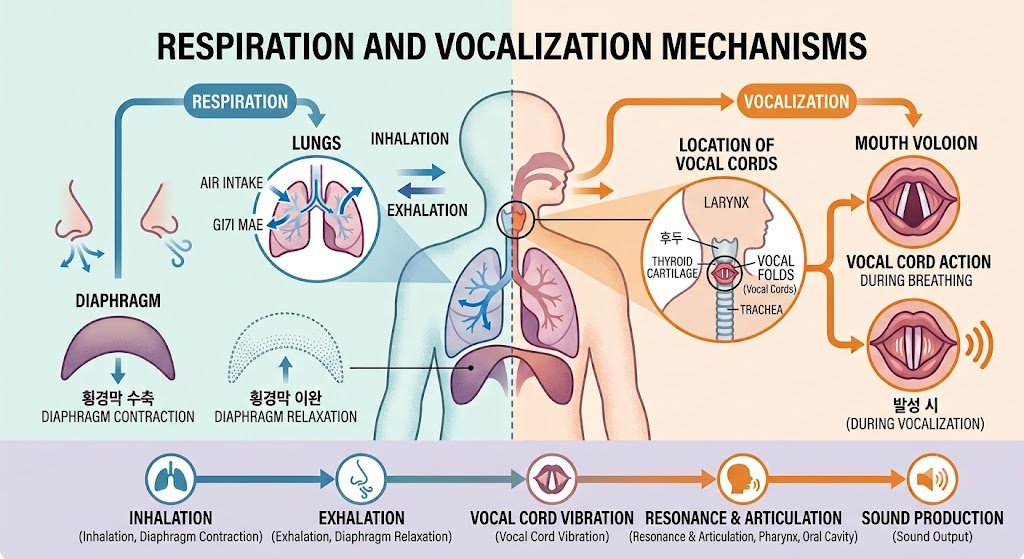
Between your chest and abdomen lies a dome-shaped muscle called the diaphragm, which plays a primary role in breathing. Under normal circumstances, your diaphragm contracts and relaxes smoothly as you inhale and exhale.
However, when an unexpected stimulus causes involuntary spasms in the diaphragm and respiratory muscles, a sudden rush of air enters your lungs. This abrupt intake forces the glottis (the opening between your vocal cords) to snap shut, producing the signature “hic” sound. Think of it like a sudden misfire in a well-tuned engine that causes it to jerk momentarily.
In everyday life, several common triggers can irritate the diaphragm and its nerve pathways:
- Rapid Stomach Distension: Eating too fast or overeating in a single sitting
- Temperature Shifts: Suddenly drinking ice-cold or scalding hot liquids, or experiencing rapid ambient temperature changes
- Alcohol & Carbonated Beverages: Alcohol and carbon dioxide gas can irritate and expand the stomach lining
- Emotional Stress: Experiencing sudden fright, high anxiety, or intense excitement
3. Self-Diagnosis and Types Based on Duration
Most hiccup episodes resolve naturally within a few minutes to a couple of hours. However, medical classifications generally categorize hiccups based on how long they last:
- Acute (Transient) Hiccups: Episodes lasting less than 48 hours. These are usually harmless and linked to temporary digestive or environmental triggers.
- Persistent and Intractable Hiccups: Episodes lasting longer than 48 hours are classified as ‘persistent’, while those stretching beyond a month are termed ‘intractable’.
💡 Hiccups Assessment Checklist
- [ ] Did it start right after consuming cold drinks or overeating?
- [ ] Does holding your breath or relaxing gradually widen the gap between hiccups?
- [ ] Has it lasted more than 48 hours, making it hard to sleep at night?
- [ ] Is the hiccup accompanied by chest pain or severe heartburn?
4. Tests Performed at a Medical Facility When Hiccups Won’t Stop
If hiccups linger for more than two full days, relying solely on home remedies is not advisable. Persistent hiccups lasting over 48 hours can sometimes signal an underlying issue within the autonomic nervous system or another health condition.

When evaluating persistent hiccups, healthcare providers may recommend the following diagnostic steps:
- Blood Tests: Checking for electrolyte imbalances, metabolic conditions (such as diabetes or kidney dysfunction), or systemic inflammation.
- Upper Endoscopy (EGD): Checking whether conditions like gastroesophageal reflux disease (GERD) or ulcers are continuously irritating the vagus nerve.
- Chest X-ray / CT Scan: Evaluating the thoracic region and lungs near the diaphragm for structural anomalies.
- Brain MRI: In rare cases, evaluating whether central nervous system issues near the brainstem or vagus nerve pathways are triggering the spasms.
5. How to Stop Hiccups Fast: Simple Remedies and Stimulation Techniques
The underlying mechanism for stopping temporary hiccups is relatively simple: raise the carbon dioxide ($CO_2$) concentration in your blood, or stimulate the vagus nerve to interrupt the erratic spasm signals sent to the diaphragm.
Practical Techniques to Intercept the Signal
- Breath-Holding & Valsalva Maneuver: Take a deep breath, hold it tightly for 15 to 20 seconds, and exhale slowly. Repeating this increases arterial $CO_2$ levels, prompting the brain to prioritize breathing regulation.
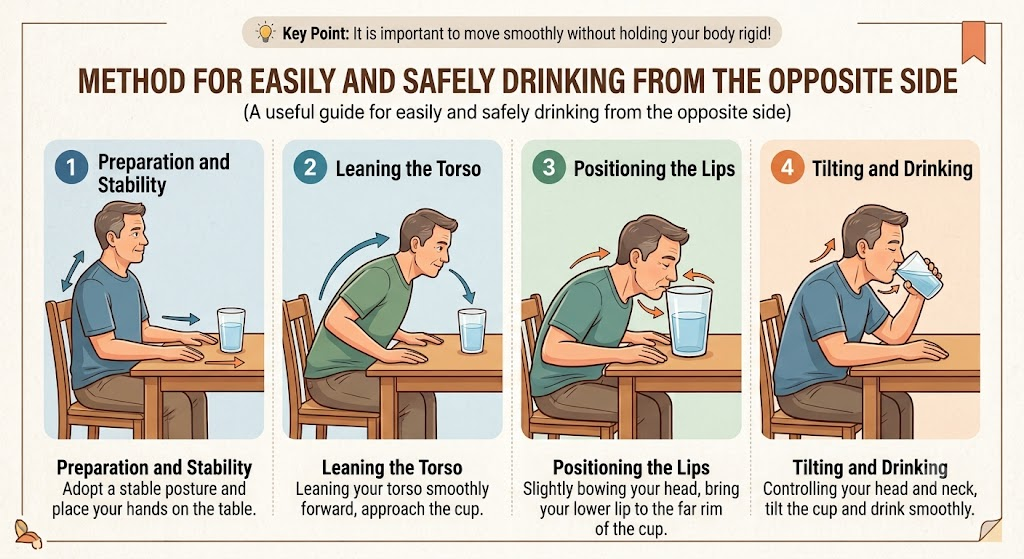
- Drinking Cold Water While Bent Forward: Lean forward at a 90-degree angle and sip cold water from the far rim of the glass. This dual action stimulates the esophagus and vagus nerve simultaneously.
- Swallowing a Spoonful of Sugar: Place a teaspoon of granulated sugar on the back of your tongue and let it dissolve slowly. The intense sweetness stimulates sensory nerves in the mouth, helping to reset vagus nerve activity.
- Gentle Ocular Pressure: Gently pressing on closed eyelids can trigger the oculocardiac reflex, which elevates parasympathetic tone and calms neural excitability (use light pressure only).
For severe, medical-grade persistent cases, doctors may prescribe specific muscle relaxants or targeted neuro-modulating medications under strict supervision.
6. Important Warnings: Emergency Situations and Red Flags
While the vast majority of hiccup episodes are benign, certain accompanying symptoms require immediate medical evaluation.
⚠️ Seek immediate medical care (Emergency Room) if:
- Hiccups persist continuously for more than 48 hours
- You experience difficulty swallowing (dysphagia) or severe chest pain
- Hiccups are accompanied by sudden weakness on one side of the body or slurred speech (potential signs of a stroke)
- Severe headaches, dizziness, or uncontrollable vomiting occur alongside hiccups
7. Frequently Asked Questions (FAQ)
Q1. Does startling someone actually cure hiccups?
A1. It can, in fact, work. A sudden fright triggers an immediate sympathetic nervous system response, which can disrupt the involuntary neural circuit driving diaphragm spasms. However, this method should never be used on elderly individuals or people with underlying heart conditions.
Q2. Why do newborn babies get hiccups so frequently?
A2. Infants have underdeveloped nervous systems and diaphragms, making them far more sensitive to minor temperature changes or swallowing air during feedings. This is completely normal; gently burping them, keeping them warm, or offering a small drink of warm fluid usually resolves it quickly.
Q3. Why do I get stubborn hiccups after drinking alcohol?
A3. Alcohol irritates the gastric lining and promotes acid reflux, which overstimulates the vagus nerve. If you experience post-drinking hiccups, avoid spicy or carbonated items and sip room-temperature water gradually.
8. Key Takeaways
Hiccups are a common physiological response caused by involuntary contractions of the diaphragm.
Most everyday cases—triggered by fast eating, cold drinks, or sudden temperature shifts—can be resolved in a couple of minutes using simple vagus nerve stimulation techniques like holding your breath, sipping cold water, or swallowing sugar.
However, always keep in mind that any hiccup episode lasting over 48 hours or accompanied by neurological symptoms or acute pain warrants a thorough professional evaluation rather than home treatments alone.
[Disclaimer]
This content is provided for general informational and educational purposes only and is not intended as a substitute for professional medical advice, diagnosis, or treatment. Always seek the advice of a qualified healthcare provider regarding any medical condition or persistent symptoms lasting over 48 hours.
** Clicking on the ad banners helps support this blog and keeps the content coming. Thank you for your support! **