3-Line Summary
- Standard health screenings cover basic metrics, but they have clear limits when it comes to early detection of age-specific diseases.
- People in their 20s and 30s should consider adding stomach endoscopy, thyroid ultrasound, and pelvic/breast ultrasound based on lifestyle and stress.
- Those in their 40s and 50s require targeted precision screening for cancer and cardiovascular risks, including colonoscopy, low-dose lung CT, and carotid ultrasound.
“Is a Basic Checkup Really Enough?” Were You Feeling Anxious Too?
Every year when checkup notice letters arrive or booking season opens, my heart beats a little faster with anxiety. You might wonder, “If I only get the basic tests, will I miss something serious?” But at the same time, adding every expensive option recommended by the clinic feels overwhelming for your wallet.
I hesitated for a long time staring at my booking screen recently. A friend in her mid-30s simply assumed, “I’m young, so I’ll be fine,” and stuck to basic tests—only to suffer later from severe chronic gastritis. That was a huge wake-up call for me. I spent days digging through clinical screening guidelines and preventive medicine studies to analyze which add-on options are truly worth every penny for each age group.

In Your 20s & 30s: “Don’t Let Youth Fool You”—Lifestyle-Customized Screenings
While metabolic activity is high in your 20s and 30s, late-night takeout, irregular sleep, and work stress can cause quiet damage to your internal organs. Basic blood panels and chest X-rays alone often fail to catch subtle gastrointestinal or hormonal shifts.
Must-Consider Add-Ons for 20s & 30s
- Stomach Endoscopy (Upper GI): If you frequently eat spicy, salty, or heavily processed food, getting an endoscopy every 2 years is recommended. Checking for gastritis or Helicobacter pylori infection early helps prevent chronic conditions down the road.
- Thyroid Ultrasound: If you suffer from chronic fatigue or sudden unexplained weight changes, a thyroid ultrasound is great for detecting nodules or inflammation.
- Women’s Precision Screening (Pelvic & Breast Ultrasound): Dense breast tissue is extremely common in younger women, meaning standard X-ray mammograms can easily miss lumps due to overlapping tissue shadows. Pairing mammography with a breast ultrasound is much safer. A pelvic ultrasound is also essential if you experience severe menstrual pain or irregular cycles.
In Your 40s & 50s: “The Boundary Between Cancer & Vascular Risks”—Precision Targeting
Entering your 40s accelerates organ aging and slows down metabolism, sharply increasing the risk of chronic illnesses and cancer. Many people feel their hearts sink when reading their test results during this stage of life.
Must-Consider Add-Ons for 40s & 50s
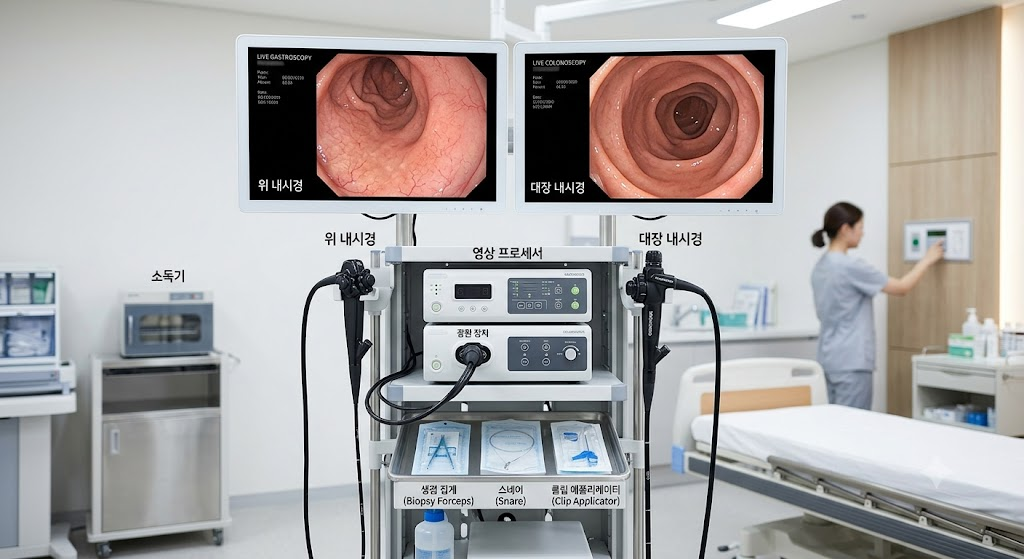
- Colonoscopy: Starting in your 40s, a colonoscopy is recommended at least every 3 to 5 years. Polyps that could develop into colon cancer can be removed immediately during the procedure, making it the most effective preventive measure available.
- Low-Dose Lung CT: Not just for smokers—women frequently exposed to cooking fumes or secondary air pollutants should also consider a low-dose lung CT after age 40 to monitor lung health with minimal radiation exposure.
- Brain MRA or Carotid Ultrasound: With high rates of hypertension, diabetes, and hyperlipidemia in your 40s and 50s, adding a carotid ultrasound or brain vascular imaging helps check for clogged or narrowed blood vessels, offering proactive stroke prevention.
- Bone Density Test (Especially for Menopausal Women): For women in their 50s experiencing rapid bone loss due to hormonal shifts, a DEXA bone density scan is essential for osteoporosis prevention.
Real-World Tips to Avoid Wasting Money on Checkup Packages
When you visit a screening center, they often pitch expensive packages costing hundreds of dollars, making your head spin. There is absolutely no need to blindly throw money at every pricey option.
The single best criteria to guide your choice is family history. If your parents or close relatives had a history of stomach cancer, colon cancer, heart disease, or thyroid issues, prioritize tests for those specific organs above all else. When I consulted directly with screening advisors, focusing resources on organs with a family history proved to be the most efficient and reassuring approach.

Red Flags: Symptoms You Shouldn’t Wait for Checkup Day to Address
Health checkups are meant for periodic prevention. Even if your next appointment is months away, seek immediate medical attention if you experience any of these emergency warning signs:
- Sudden, unexplained weight loss of over 10 lbs (5 kg) within a single month
- Persistent upper abdominal pain, bloody stool, or dark black stool
- Persistent difficulty swallowing (a sensation of food getting stuck in your throat)
- Sudden, severe headaches or vision disturbances that disrupt daily life
The Most Reliable Investment for Your Body
We all know that once health is lost, no amount of wealth can replace it. If hesitation over minor awkwardness or cost held you back, why not give your body a green light this year with smart, age-appropriate add-on tests? Walking out of the clinic with complete peace of mind is truly the best gift you can give yourself!
3. Frequently Asked Questions (FAQ)
Q1. Is a standard national health checkup really not enough?
A1. Standard checkups focus on screening broad indicators for chronic conditions like hypertension and diabetes across the general population. To catch early-stage cancers, subtle organ damage, or early vascular disease, adding targeted options based on your age and family history is highly beneficial.
Q2. Is non-sedated endoscopy safer for the body?
A2. Unless you have severe allergies to sedatives or are an elderly patient with respiratory risks, sedated endoscopy (conscious sedation) helps reduce retching and movement. This minimizes mucosal damage and allows the physician to examine the tissue far more thoroughly and accurately.
Q3. If a polyp was removed during my colonoscopy, when should I get the next one?
A3. It depends on the size, number, and pathology results (such as whether it was an adenoma). Generally, if a high-risk adenoma was removed, guidelines recommend a follow-up in 1 to 3 years. For clean, low-risk simple polyps, monitoring every 3 to 5 years is standard.
4. Related Reads (Internal Link Suggestions)
- [Why Are You So Sleepy After Lunch? How 10 Minutes of Post-Meal Walking Tames Blood Sugar Spikes]
- [From Chronic Pain to Gut Issues: Decoding Your Body’s “Stress SOS” Signals]
- [Breathe Easy: A Fellow Sufferer’s Practical Guide to Managing Allergic Rhinitis]
5. Disclaimer
“This content is provided for informational and educational purposes only and should not be considered professional medical advice, diagnosis, or treatment. Always consult with a qualified healthcare professional regarding any medical condition or treatment plan. Individual results may vary based on personal health status.”