3-Line Summary
- Blood sugar spikes right after eating are the main culprits behind chronic fatigue and visceral fat accumulation.
- Walking 10 minutes after a meal awakens GLUT4 glucose transporters in your muscles, burning glucose without overloading insulin.
- Taking a light 10- to 15-minute walk within 30 minutes after finishing a meal can noticeably stabilize your glucose levels.
Were You Blaming Drowsiness on Just Being Tired After Meals?
Until recently, my eyelids felt like lead right after lunch. My head would feel foggy, making it almost impossible to focus on work. I initially brushed it off thinking, “Did I just not sleep enough last night?” But as it turned out, that drowsiness was a alarm signal that a ‘glucose bomb’ was detonating inside my body.
Feeling uneasy, I attached a continuous glucose monitor (CGM) to my arm, and I was genuinely shocked by the results. The moment carbohydrates hit my stomach, the glucose line on the graph surged skyward. But after digging through sports medicine papers and biochemical literature, I had an absolute lightbulb moment! You don’t need medication or intense workouts—there is a simple way to flatten that curve with just 10 minutes of movement.

The Biochemical Secret: Dropping Glucose Just by Walking
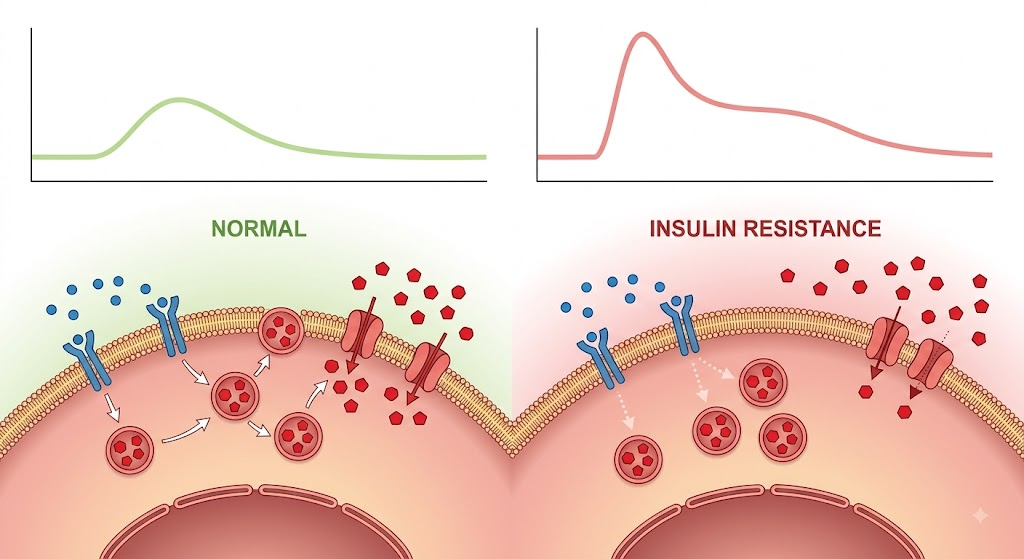
When you eat, glucose floods into your bloodstream. Your pancreas then releases large amounts of insulin to push that glucose into cells. However, when the surge of glucose becomes overwhelming, blood sugar spikes occur, and the excess glucose gets stored directly as visceral fat.
When you move your body right after eating, something remarkable happens. Your skeletal muscles contain a type of ‘glucose-absorbing straw’ called glucose transporter 4 (GLUT4). While normally dormant inside cells, the moment your muscles contract, these transporters migrate to the cell membrane—even without the help of insulin—and directly absorb glucose right out of the blood.
“Instead of making insulin do all the heavy lifting, your muscles burn up the glucose first as immediate energy.”
A meta-analysis published in a journal of sports medicine supports this exact mechanism. Research revealed that taking a light 10- to 15-minute walk right after a meal is far more effective at reducing glucose volatility than engaging in a long workout much later.
The Step-by-Step 10-Minute Post-Meal Walk Routine
When trying this out, you might wonder, “When exactly should I walk, and at what pace?” Here is a beginner-friendly guide to maximize benefits without causing stomach discomfort.
- Timing: Within 30 minutes after putting down your fork
- Blood sugar generally peaks between 30 minutes to an hour after you start eating.
- Walking after blood sugar has already peaked reduces the benefits, so start moving within 15 to 20 minutes after finishing your meal.
- Intensity: An easy ‘stroll’ pace without getting breathless
- There is zero need to run or break a heavy sweat.
- Pushing too hard right after eating can overstimulate your sympathetic nervous system, raising blood sugar further or causing indigestion. Aim for a pace where you can comfortably hold a conversation.
- Duration: At least 10 minutes, up to 20 minutes
- Simply stepping forward engages your quadriceps and calf muscles, actively consuming circulating glucose.
When I personally put this 10-minute post-meal walk into practice, I visually confirmed on my monitor that my peak glucose level stayed 20 to 30 mg/dL lower compared to when I remained seated. As a bonus, my post-meal brain fog disappeared, leaving my head feeling completely clear!
Common Pitfalls & Obstacles to Overcome
“What if the weather is too cold or too hot?” or “I’m stuck in an office and can’t go outside.” These real-world hurdles often turn good intentions into a three-day streak. On rainy or busy days, I felt like giving up too.
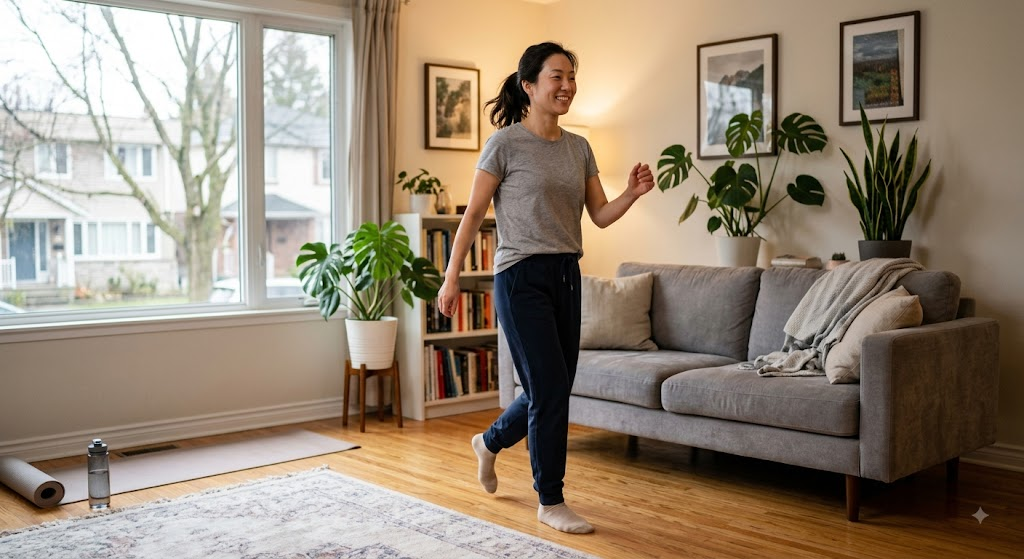
The most common mistake is thinking you must go outside and take a proper walk. You don’t need to step outdoors at all. Walking up and down an office hallway, taking slow steps on a staircase, or even marching in place and shifting your weight at a standing desk generates plenty of skeletal muscle contractions to do the job.
However, do avoid high-intensity weight training or fast running immediately after eating. Redirecting blood flow away from your digestive tract and straight into working limbs can cause severe stomach distress.
Just Take 10 Minutes After Lunch Today
Effective blood sugar management doesn’t require fancy equipment or expensive supplements. Spending just 10 minutes on your body while your food digests—instead of staring at your smartphone—builds a reliable foundation for long-term health.
Why not set a simple goal today? “After lunch, I’ll just take a quick 10-minute walk down the hallway or around the block.” Give it a try, and you’ll break free from the dread of blood sugar spikes while enjoying light, clear energy all afternoon long!
Frequently Asked Questions (FAQ)
Q1. Does marching in place indoors really work as well as walking outside?
A1. Yes, it is very effective! The critical factor is not ‘moving through physical space,’ but rather ‘the continuous contraction and relaxation of your thigh and calf muscles.’ Marching in place while watching TV or doing very slow, gentle bodyweight squats indoors helps lower blood sugar significantly.
Q2. I heard that moving right after eating causes indigestion or stomach drooping. Is that true?
A2. Vigorous or jarring exercise right after a meal can indeed interfere with digestion. However, light strolling while breathing comfortably actually stimulates mild stomach motility and aids digestion according to numerous studies. You can walk slowly with complete peace of mind.
Q3. Is it still effective if I walk an hour after eating?
A3. While it still offers health benefits, it is less effective for preventing blood sugar spikes. Because glucose levels typically peak between 30 and 60 minutes post-meal, it is much better to curb the rising spike within the first 30 minutes rather than trying to bring down levels that have already peaked.
Related Reads (Internal Link Suggestions)
- [“Got Another Splitting Headache?” A Realistic Routine to Rapidly Drop Stress Hormones]
- [Stopped Using Your Dominant Hand? Unlock Your Brain with 10 Minutes a Day]
- [The “2-Minute Rule” Secret: How to Trick Your Brain into Reading Every Day]
Disclaimer
“This content is provided for informational and educational purposes only and should not be considered professional medical advice, diagnosis, or treatment. Always consult with a qualified healthcare professional regarding any medical condition or treatment plan. Individual results may vary based on personal health status.”