Quick Summary for Busy Readers
- Stress isn’t a feeling; it’s a biochemical storm where cortisol and adrenaline physically batter your organs and blood vessels.
- When your brain stays in “survival mode,” it shuts down digestion and hardens muscles into “armor,” leading to chronic inflammation and a weakened immune system.
- If you’re experiencing recurring pain that doctors can’t explain, your body might be issuing a final ‘Evacuation Order’ from a toxic environment.
“I thought I was just tired, but my body was actually screaming.”
Have you ever felt that weird, sharp tightness in your chest right before a big meeting? Or maybe your shoulders feel like they’ve turned into solid granite after a long week? I used to brush these off as “just getting older” or “sitting too much.”
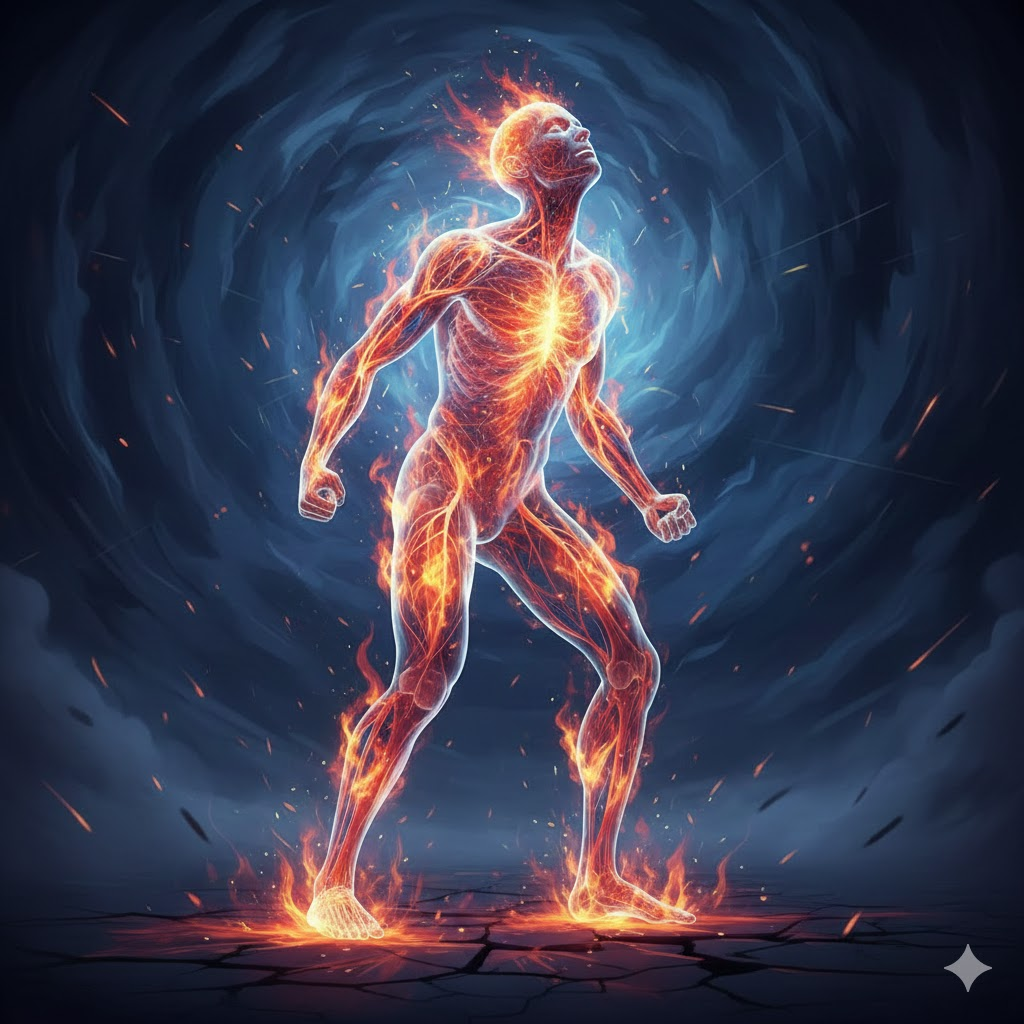
But as I started digging into the latest neurobiology papers, I had a massive “aha!” moment. Stress isn’t some invisible cloud of bad vibes. It is a calculated, physical redistribution of your body’s resources that, if left unchecked, leaves literal scars on your biology. Today, let’s peel back the skin and see what’s actually happening inside your “emergency-ready” body.
The ‘Cortisol Tax’: Why Your Body is Overspending
When your brain perceives a threat—whether it’s a tiger or a passive-aggressive email—the hypothalamus flips the “Red Alert” switch. This triggers the adrenal glands to pump out Cortisol.
In the short term, cortisol is a hero. It mobilizes sugar for energy so you can run. But here is the catch: modern stress never ends. When cortisol stays high, it acts like a slow-dripping acid on your system. According to guidelines from the American Psychological Association (APA), chronic cortisol exposure can lead to high blood pressure, increased blood sugar, and even the shrinking of the hippocampus—the part of your brain responsible for memory. It’s not a mood swing; it’s cellular wear and tear.
The Brain-Gut War: Why You Feel Sick to Your Stomach
“I’m so stressed I could puke.” We’ve all said it, and there’s a fascinating reason why it happens. Your body has a “Limited Energy Budget.” When you’re in fight-or-flight mode, your brain decides that digesting lunch isn’t a priority compared to surviving the “threat.”
It literally diverts blood flow away from your digestive tract. This is the Brain-Gut Axis in action. Recent meta-analyses in gastroenterology journals suggest that chronic stress changes your gut microbiome and weakens the intestinal barrier (often called ‘leaky gut’). So that bloating or indigestion? It’s often your stomach waiting for the “All Clear” signal from your brain that never comes.
The “Muscle Armor” Problem
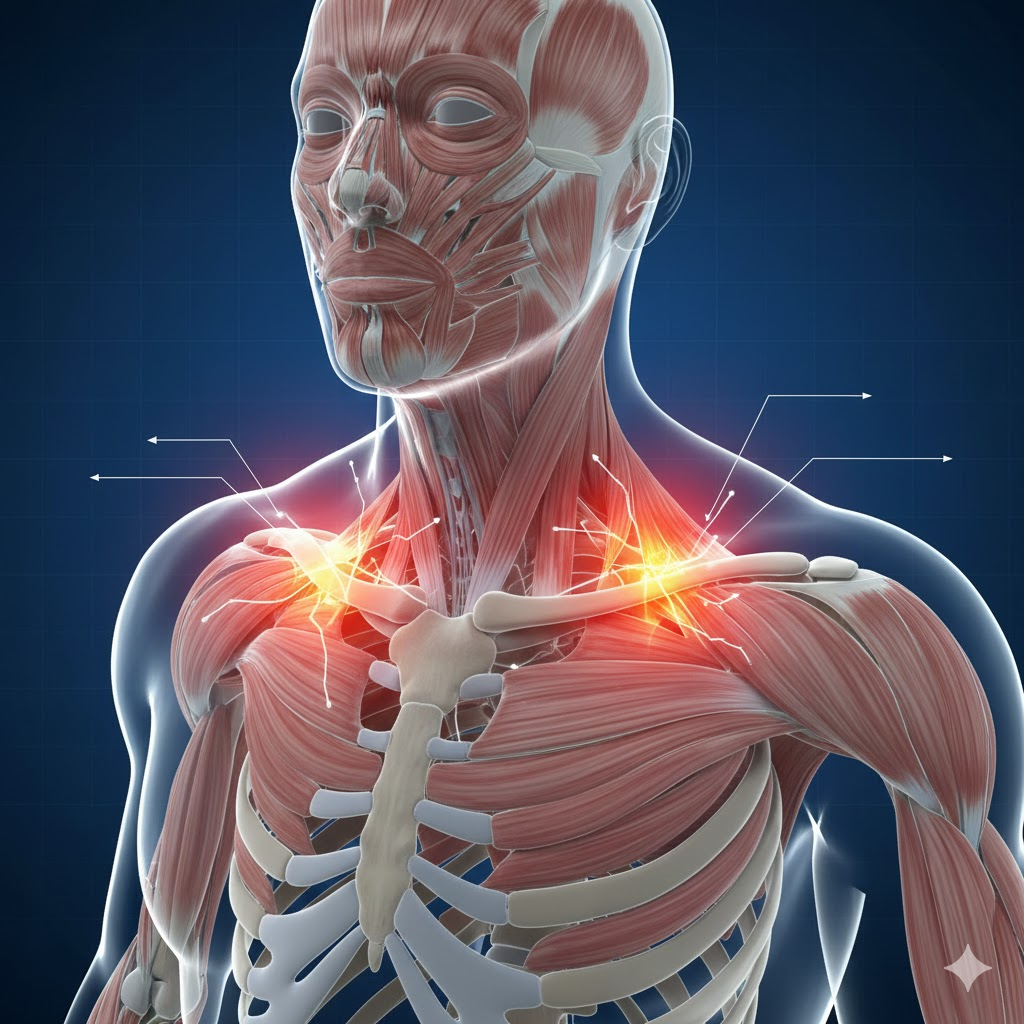
Ever wonder why your neck feels like a coiled spring? Your body is hardwired to protect your vitals. When stressed, your muscles subconsciously tighten to create a “physical armor” around your neck and spine.
The problem is that we never take the armor off. This constant tension compresses nerves and restricts blood flow, leading to those brutal tension headaches. I once talked to a physical therapist who told me she could “feel” a client’s work-week just by touching their trapezius muscles. They weren’t just sore; they were mechanically locked in a defensive stance.
Red Flags: When the Body Says “Enough”
We often pride ourselves on “powering through,” but your body has a breaking point. If you notice these symptoms, it’s no longer about “managing” stress—it’s about medical intervention:
- Heart Palpitations: Feeling like your heart is skipping beats or racing while you’re sitting still.
- Total Brain Fog: Struggling to find basic words or forgetting where you are mid-sentence.
- Skin Rebellions: Sudden flare-ups of eczema, hives, or adult acne that don’t respond to creams.
- The “3 AM Wake-up”: Waking up wired and anxious every night, which usually indicates a cortisol spike at the wrong time.
The Path Back: Forcing the “Off” Switch
You can’t think your way out of a physical stress response. You have to act your way out. The most effective tool I’ve found is “Physiological Sighs”—two quick inhales through the nose followed by a long, slow exhale through the mouth.
This mechanical movement of the lungs sends a direct signal through the Vagus Nerve to the brain saying, “The tiger is gone. You can stand down.” It’s like hitting the reset button on a frozen computer.
Your body has been working overtime to protect you. Maybe it’s time to thank it by finally giving it the silence it’s been begging for.
3. FAQ (Frequently Asked Questions)
Q1. Can stress actually cause real physical illness, or does it just make existing ones worse?
Both. Stress causes “secondary” damage by increasing systemic inflammation. While it may not create a virus, it weakens your immune response so much that your body can’t fight it off, and it can directly cause conditions like stress-induced cardiomyopathy or gastric ulcers.
Q2. Is “Adrenal Fatigue” a real medical diagnosis?
While “Adrenal Fatigue” isn’t an official ICD-10 medical diagnosis, the concept of HPA Axis Dysregulation is very real. It describes the state where your brain and adrenal glands lose their ability to communicate effectively, leading to chronic exhaustion.
Q3. How long does it take for the body to physically recover from a major stress event?
It varies, but research into the autonomic nervous system suggests that after a massive cortisol spike, it can take the body 24 to 48 hours to return to a true baseline. If you’re stressed every day, you’re never actually hitting that baseline.
4. Recommended Reading
- [Chronic Fatigue Syndrome] -> [LINK]
Disclaimer This content is intended for informational purposes only and does not constitute professional medical advice, diagnosis, or treatment. Always seek the advice of your physician or other qualified health provider with any questions you may have regarding a medical condition. Individual results and physiological responses may vary.
** Clicking on the ad banners helps support this blog and keeps the content coming. Thank you for your support! **
5 thoughts on “From Chronic Pain to Gut Issues: Decoding Your Body’s “Stress SOS” Signals”
Comments are closed.