
Intro: “Everyone’s taking it, but do I need it?”
Have you ever woken up after a full night’s sleep still feeling groggy? Or maybe you’ve hit a plateau at the gym where you just can’t get that “pump” you used to feel? If so, you might have stumbled upon L-Arginine while scrolling through health forums or browsing the supplement aisle.
As a health curator, I see ingredients come and go like fashion trends. But L-Arginine has stuck around—and for good reason. It’s a staple in everything from pre-workout powders to “men’s vitality” drinks at the convenience store.
However, here is the honest truth that most marketing glosses over: L-Arginine is tricky. It has notoriously poor absorption rates, and there are specific groups of people who should arguably avoid it.
Today, I’m going to cut through the noise. No complex medical jargon—just a practical, evidence-based guide on how to actually use L-Arginine to get your blood flowing and your energy back. Let’s dive in.

1. The Mechanism: How It Actually Works
To understand Arginine, think of it as a “traffic controller” for your blood vessels.
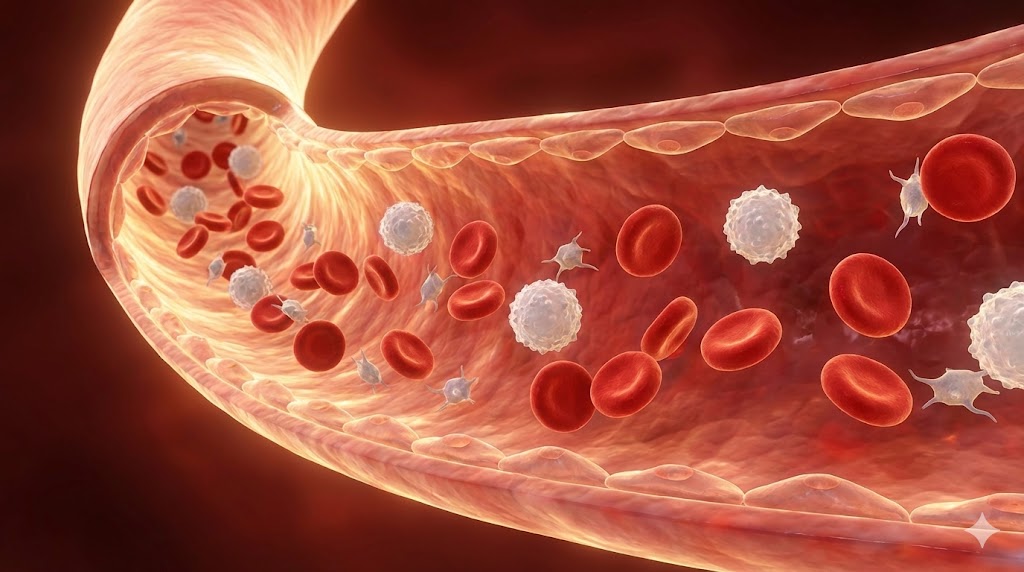
Biologically speaking, it’s an amino acid. But when you ingest it, your body converts it into a powerful molecule called Nitric Oxide (NO). This molecule signals your blood vessels to relax and widen (vasodilation).
Imagine a narrow country road suddenly expanding into a four-lane highway. That’s what Nitric Oxide does. It allows more blood, oxygen, and nutrients to rush to your muscles and organs efficiently. This simple mechanism is the foundation of all its benefits.
2. Three Science-Backed Benefits
While some claims are exaggerated, research consistently highlights three main areas where Arginine shines.
① Exercise Performance & Fatigue Recovery
This is why bodybuilders love it. Arginine helps deliver oxygen to muscles during intense training. More importantly, it helps the body flush out “ammonia”—a waste product that causes fatigue—via the urea cycle in the liver.
- The Result: You might find you can push a little harder for longer, and you don’t feel quite as “wrecked” the next day.
② Circulation & Heart Health
If your blood vessels are stiff or narrow, your heart has to work overtime. By boosting Nitric Oxide, Arginine helps maintain flexible, relaxed blood vessels.
- Real Life: Many people with chronically cold hands and feet (poor peripheral circulation) or those looking to manage mild blood pressure issues often use it for support.
③ Men’s Vitality (Yes, we need to talk about it)
Let’s be open about this. The physiological process of an erection relies heavily on blood flowing freely into tissue—a process triggered by Nitric Oxide.
- The Reality Check: While studies suggest L-Arginine can help with mild erectile issues caused by poor blood flow, it is not a magic pill like prescription medication (e.g., Viagra). Think of it as a daily supplement to support the “plumbing,” not an instant fix.
3. Dosage Guide: The “Absorption” Problem
Here is the most important part of this article. If you just pop an Arginine pill with your lunch, you are likely wasting your money.
Arginine competes with other amino acids for absorption in the gut, and it often loses that battle. To get results, you need strategy.
Recommended Dosage
- General Health: 1,000mg – 3,000mg per day.
- For “The Pump” & Athletic Performance: 3,000mg – 6,000mg per day.
- Note: Many studies suggest that doses under 3g often fail to show significant changes in blood flow. High-dose is usually key here.
Timing is Everything
- Empty Stomach is Non-Negotiable: Take it when your stomach is empty to avoid competition with food proteins.
- Best times: Immediately upon waking up, before bed, or 30 minutes before a workout (fasted).
- The “Synergy” Stack: Look for products that combine Arginine with Citrulline or Ornithine. These related amino acids help recycle Arginine in the body, keeping blood levels higher for longer.
4. Side Effects & Warnings (YMYL – Important)
Arginine is generally safe, but because it affects blood vessels and viruses, it is not for everyone.
- The Herpes Connection (Crucial): If you suffer from cold sores (Herpes Simplex), be very careful. The virus needs Arginine to replicate. Taking this supplement can trigger an outbreak. If you must take it, pair it with Lysine to counteract this effect.
- Low Blood Pressure: Since it acts as a vasodilator, it lowers blood pressure. If you already have hypotension, this could cause dizziness or fainting.
- Asthma & Gout: There have been reports of it exacerbating asthma symptoms or affecting uric acid levels. Consult a doctor if you have these conditions.

5. How to Choose the Right Product
Don’t just buy the cheapest bottle. Here is what I look for as an editor:
- Check the Potency: If a pill is only 500mg, you’d need to swallow 6 to 10 of them to get an effective dose. Look for “High Potency” powders or liquids that offer 3,000mg+ per serving.
- Liquid vs. Pills: Liquid ampoules generally absorb faster than tablets. However, Arginine naturally tastes terrible (very bitter/fishy). Look for a liquid version with good flavoring, or stick to capsules if you have a sensitive palate.
- The “Booster” Blend: As mentioned, a product containing L-Citrulline alongside Arginine is superior to Arginine alone. It fixes the absorption issue.
Conclusion: Start with Your Foundation
L-Arginine isn’t just for “gym rats” or men looking for a boost. In our sedentary modern lives, where stress and sitting constrict our blood flow, Arginine can be a helpful tool to get things moving again—literally.
However, remember that supplements are just that: supplementary. They work best when paired with physical activity. Why not try taking a dose on an empty stomach tomorrow morning, followed by a brisk 20-minute walk? You might just feel that “switch” turn on.
Here’s to a more vibrant, energetic you!
FAQ
Q1. I heard Arginine causes hair loss. Is that true? A. There is no scientific evidence linking Arginine to hair loss. In fact, by improving blood flow to the scalp, it could theoretically support hair health. Hair loss is usually hormonal or stress-related.
Q2. Can I take it every day? A. Generally, yes. However, some experts suggest “cycling” off it every few months (e.g., take for 2 months, off for 2 weeks) to ensure your body doesn’t build a tolerance, though this is debated.
Q3. Can women take it too? A. Absolutely. Women often take it to help with cold extremities (poor circulation), reducing swelling/edema in the legs, and improving workout quality. The benefits of blood flow apply to everyone.
Disclaimer: This content is for informational purposes only and is based on general health guidelines. It does not constitute medical advice, diagnosis, or treatment. Always consult with a qualified healthcare provider before starting any new supplement regimen, especially if you have pre-existing medical conditions or are taking medication.
References: This article summarizes general information found in guidelines from the Mayo Clinic and recent reviews (2020–2024) on Nitric Oxide and vascular health published in NIH (National Institutes of Health) databases.