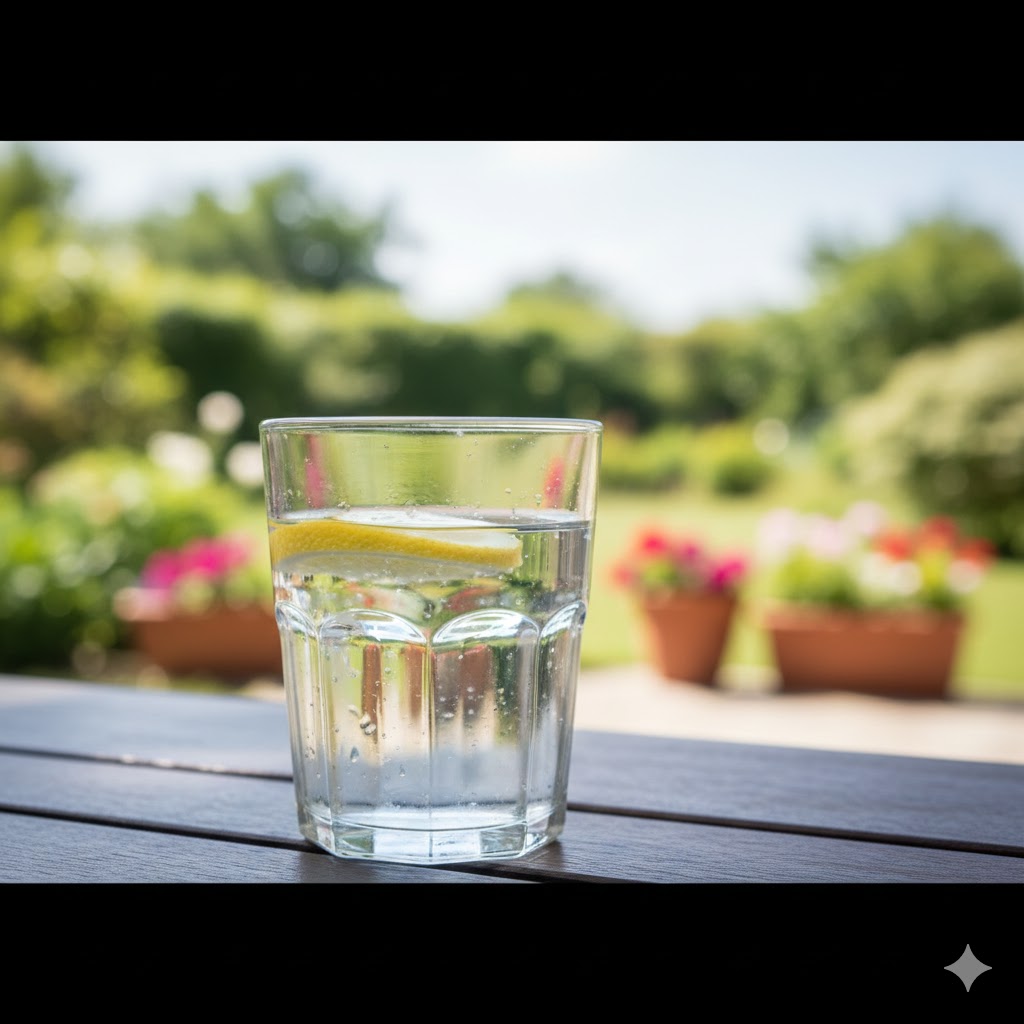
To You, Who Feels Like Drinking Water is a Chore
[Key Takeaways]
- Zero Willpower Needed: Don’t force it; change your ‘environment’ so you drink automatically.
- False Hunger: Just drinking water properly can kill that 3 PM snack craving and chronic fatigue.
- The Magic of Straws: Use the psychology that doubles your intake when using a straw instead of a cup.
“You need to drink 8 glasses a day to be healthy.” I’m sure you’re tired of hearing this. I used to have a checklist in my planner for water intake, and I failed every single day. Plain water tasted weirdly metallic, chugging it made my stomach feel sloshy, and honestly, who has time to run to the restroom every hour? It felt like such a burden.
But recently, while digging into some research papers, I had a real “Aha!” moment. The reason we fail isn’t a lack of ‘willpower,’ but rather ‘brain confusion’ and ‘environment.’ Today, I’m sharing a realistic, natural hydration routine that I personally tested—one day I just realized, “Wait, did I really drink all this already?”
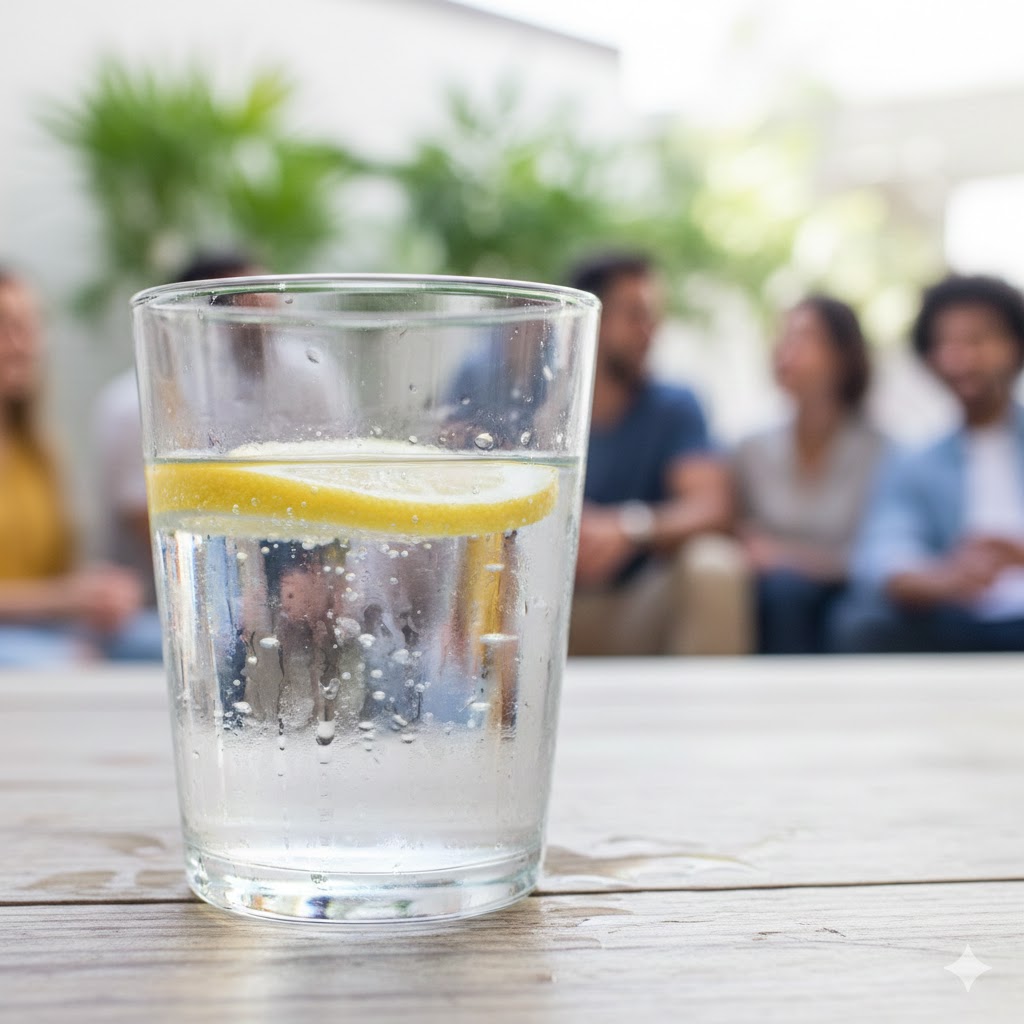
Why Is Your Body Screaming for Water?
Our bodies are actually quite tricky. Have you ever craved bread or snacks even though you just ate? That’s highly likely to be ‘False Hunger.’ The hypothalamus in our brain often confuses thirst signals with hunger signals. Your body is shouting “I’m thirsty!”, but we interpret it as “I’m hungry!” and reach for a cookie.
Once I understood this principle, I tried drinking a glass of water instead of my habitual afternoon instant coffee. It was fascinating—the hunger pangs vanished like magic, and my brain felt clearer. If you fall into chronic dehydration, your blood thickens, making oxygen delivery difficult, which explains that constant fatigue. Drinking water isn’t just about hydration; it’s literally changing the engine oil of your body.
The ‘Hydration Hack’ Routine: Make Your Hand Go There Automatically
So, how can we drink water without the stress? Toss out the big, scary goals. Just try one of the methods below starting tomorrow.
1. Out of Sight, Out of Mind (Visual Triggers)
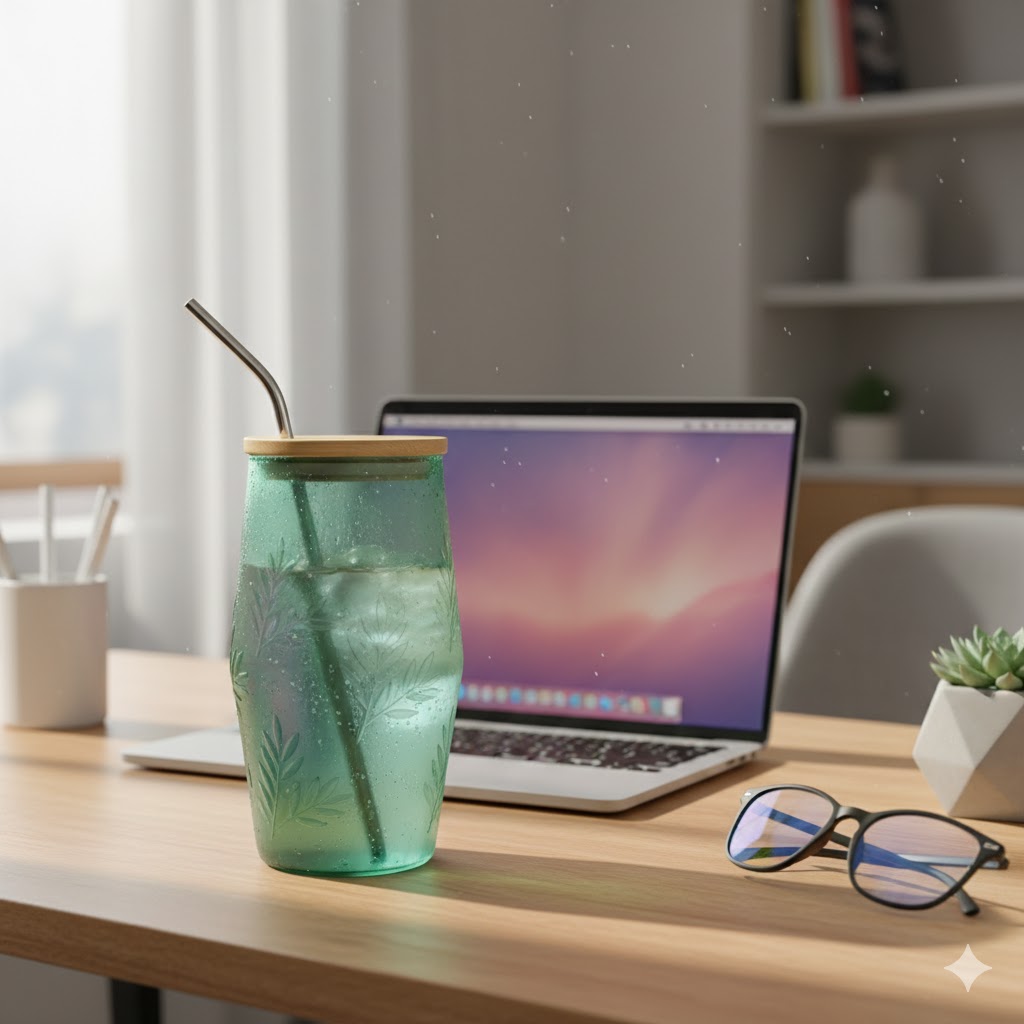
Humans are surprisingly simple. If we don’t see it, we don’t drink it. The most effective change I made was ‘placing a tumbler within arm’s reach.’ The key here is not covering it with a screw-top lid. That 1-second friction of unscrewing a lid stops you from drinking.
If you’re worried about dust, I recommend a tumbler with a straw lid. If you stick a straw in it, you end up sipping mindlessly while working or browsing, without even having to tilt your head. It’s strangely addictive, and you’ll hit the bottom of the cup in no time. There are actual behavioral psychology studies suggesting that using a straw significantly increases liquid intake.
2. If Plain Water is Boring, Dress It Up
“I can’t drink water because it smells/tastes like nothing.” I hear this so often. Don’t force yourself to suffer. We have tea bags and fruit! Caffeine-free options like Rooibos, Barley tea, or Hibiscus are excellent substitutes. (Note: Green tea or Black tea have diuretic effects, so they don’t count as pure hydration!)
I personally love floating a slice of lemon, lime, or even cucumber in my water. It looks pretty, and the subtle scent lifts my mood, making me reach for it more often. Using dried fruit chips is also a very smart and convenient method.
3. Action Stacking (The “After This, Then That” Rule)
The best way to build a new habit is to “stack” it onto something you already do.
- Immediately after waking up: One glass of lukewarm water after brushing teeth (to replenish moisture lost during sleep).
- After using the bathroom: Wash hands, then drink one glass.
- Before a shower: Drink a glass before stepping in.
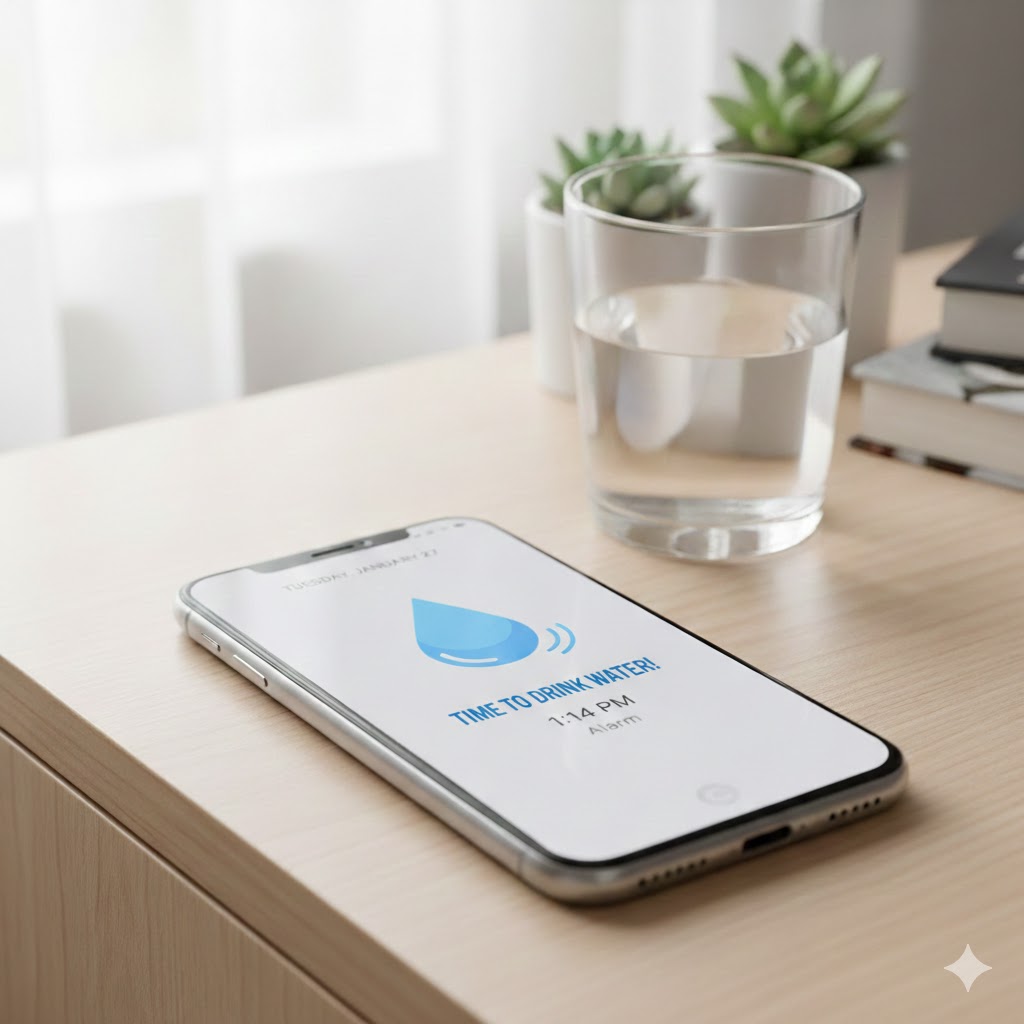
If you attach water drinking to these “non-negotiable actions,” your body will start to react automatically without you having to remember it. Especially, that first glass in the morning is often called an ‘Internal Shower’ because it effectively wakes up your metabolism.
Wait, What About the Bathroom Trips?
Once you start drinking more, the inevitable nuisance arrives: frequent bathroom visits. It’s really awkward during meetings or long commutes.
But don’t worry too much. This is actually a positive sign that your body is saying, “Oh? The owner is finally giving me water! Yay! Let’s flush out all this old waste!” It’s in cleaning mode. Usually, if you keep at it for about 2 to 3 weeks, your bladder adapts, and the frequency returns to normal.
However, please avoid chugging 500ml at once. It just flushes right out as urine before being absorbed by your cells. The key is to sip slowly and frequently, just like watering a plant.
Wrapping Up
Building a hydration habit might require conscious effort at first. But if you just close your eyes and try it for one week, you will definitely feel the difference—waking up lighter and feeling less of that afternoon slump.
Shall we try just one thing today? Right now, fill your favorite cup with water and place it on your desk. that small start could completely change your health.
3. FAQ (Frequently Asked Questions)
Q. Can I count coffee or tea as water?
A. Unfortunately, beverages with caffeine like coffee, green tea, and black tea act as diuretics, causing you to excrete more water than you drank. If you had a cup of coffee, it’s best to drink an extra glass of water to compensate. For water substitutes, I recommend herbal teas like Rooibos, Chamomile, or Barley tea.
Q. Is cold water better, or warm water?
A. Actually, ‘room temperature water’ is the easiest on the body and absorbs quickly. Ice-cold water can lower your body temperature and interfere with metabolism, while very hot water can irritate the esophagus. However, after a workout when your body is hot, cool water can help, so drink according to the situation!
Q. I heard drinking water with meals causes indigestion. Is that true?
A. Drinking a little water during a meal doesn’t significantly hinder digestion. However, the habit of soaking rice in water or swallowing food with water without chewing can dilute gastric juices and impair digestion. Ideally, try to leave a roughly 30-minute gap before and after meals.
4. Recommended Reading
- [Sleep Quality Hacks] Still Tired After Sleeping? Evening Routines for Deep Sleep [LINK]
5. Disclaimer
“This content is created for the purpose of sharing health information and cannot replace professional medical diagnosis or prescription. Please consult a specialist for the diagnosis and treatment of diseases. Results may vary depending on individual constitution and condition.”