Have you been waking up feeling unrefreshed lately, or looking in the mirror and feeling like your skin has lost its old elasticity? Or perhaps you’ve felt an unexplained lethargy that makes you think, “Is this just what getting older feels like?”
We all dream of living a long, healthy life. When we look to nature for answers, we often encounter a mysterious substance: Royal Jelly.
Here is a fascinating fact: in a beehive, worker bees and queen bees are born with the exact same DNA. However, only the bee that feeds exclusively on Royal Jelly becomes the Queen, living 40 times longer than the average worker bee and possessing the vitality to lay 2,000 eggs a day.
What exactly is inside this creamy substance that creates such a biological miracle? Today, let’s break down the real benefits and precautions of Royal Jelly, explained simply—just like a conversation with a knowledgeable friend.
1. What Exactly is Royal Jelly?
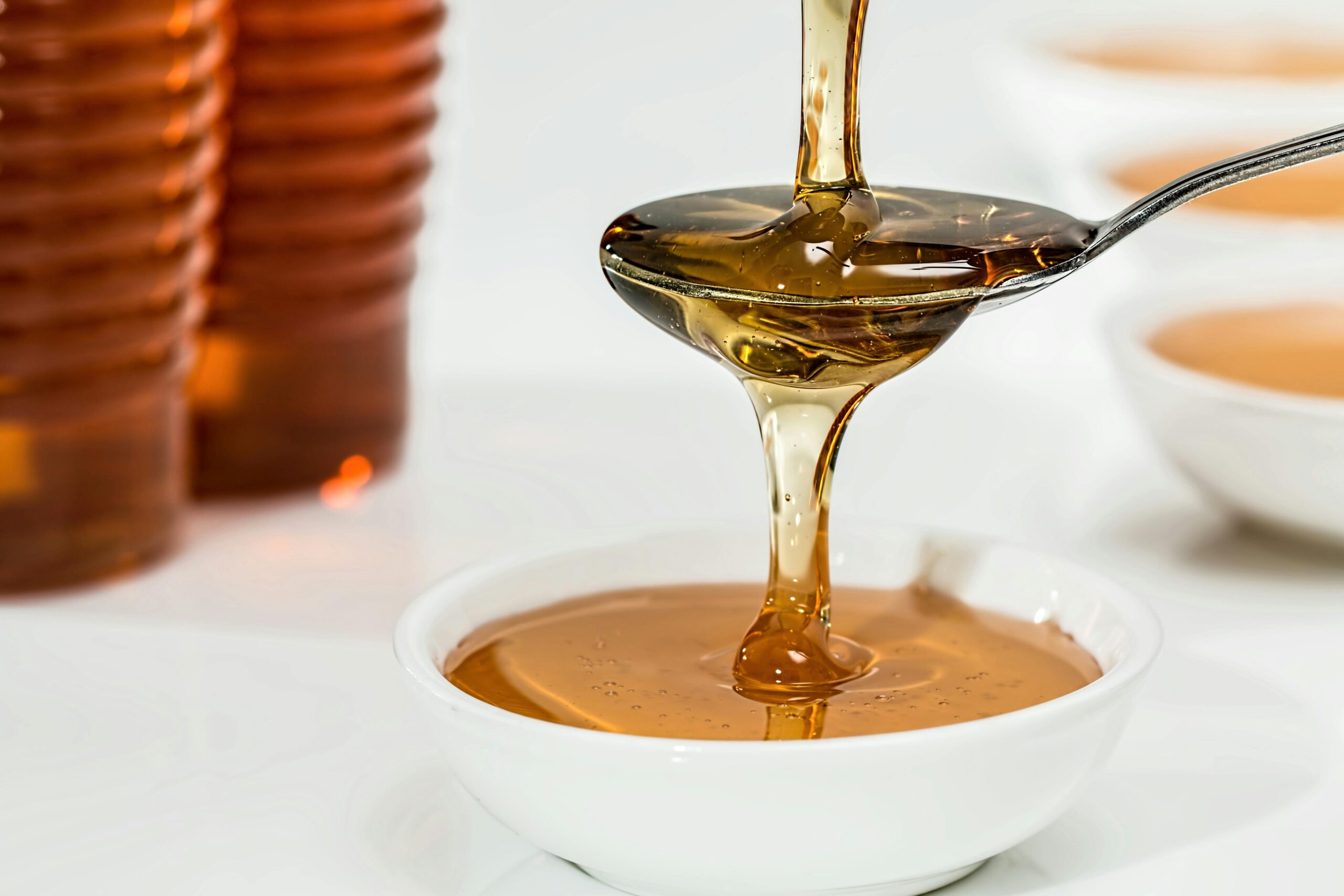
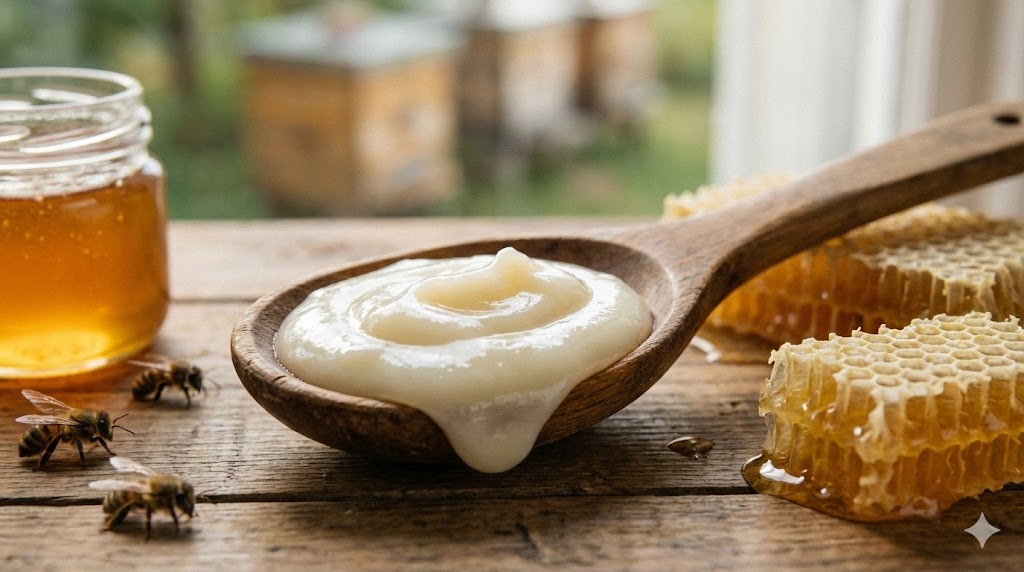
Many people mistake Royal Jelly for a type of honey, but they are entirely different. While honey is nectar collected from flowers, Royal Jelly is a milky-white, creamy secretion produced from the glands of nurse bees after they digest pollen and honey.
If you taste it, it’s not sweet like honey. Instead, it has a sour, slightly spicy, and astringent taste that might prick your throat. That unique, potent flavor is actually proof of its active components.
2. 4 Core Benefits Proven by Science
Beyond just being “good for you,” recent science is uncovering the specific mechanisms behind Royal Jelly. Synthesizing research from 2023 to 2024, here are the four key benefits you should know.
① Relief for Menopause and PMS
If you are a woman, pay close attention to this. Royal Jelly contains a unique unsaturated fatty acid called 10-HDA (10-Hydroxy-2-decenoic acid). This compound exists only in Royal Jelly in nature and acts similarly to estrogen in the human body.
A 2018 study showed that menopausal women who consumed Royal Jelly for 8 weeks saw a significant reduction in menopausal scores, including relief from back pain, anxiety, and depression, compared to a placebo group.
② Powerful Antioxidant and Anti-inflammatory Effects
Chronic inflammation is often cited as the root of many modern diseases. Specific proteins and fatty acids in Royal Jelly help lower inflammatory cytokine levels in the body. Additionally, it excels at removing free radicals, which helps slow down cellular aging.
③ Cholesterol Control and Cardiovascular Health
Worried about a greasy diet? Royal Jelly can have a positive effect on lowering “bad” LDL cholesterol while maintaining “good” HDL cholesterol levels. Consistent studies suggest it may help improve blood vessel elasticity and assist in blood pressure regulation.
④ Skin Regeneration and Wound Healing
Is this the secret to the Queen Bee’s longevity? Royal Jelly stimulates collagen production in the skin. This not only helps prevent wrinkles but also speeds up recovery when you have a wound. This is exactly why it is a popular ingredient in high-end cosmetics.
3. How to Take It Effectively (Dosage & Timing)
Even the best supplement can be ineffective—or harmful—if taken incorrectly. Here is how to maximize the benefits.
Recommended Dosage
- Fresh (Raw) Royal Jelly: 5–10g per day (about 1–2 teaspoons).
- Freeze-Dried Powder/Capsules: 500mg – 1,000mg per day (follow the product label).
- Note: Taking more does not necessarily mean better results. Consistency is key.
When is the Best Time?
Experts recommend taking it on an empty stomach in the morning. Absorption rates are highest when the stomach is empty. However, if you have a sensitive stomach and experience heartburn, it is safer to take it after a meal.
Pro Tip for Consumption
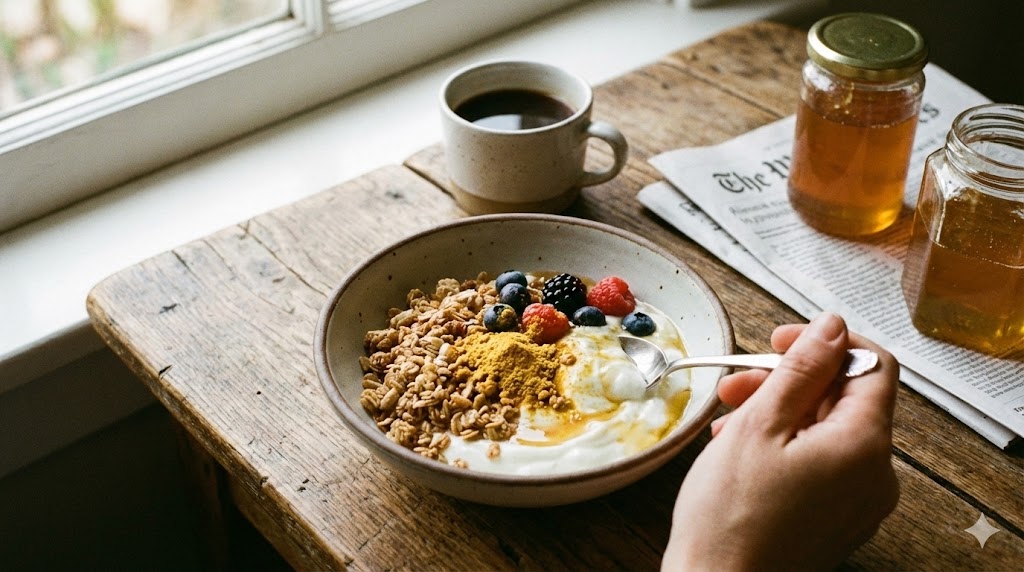
Raw Royal Jelly can be difficult to eat due to its sour and distinct flavor. Try mixing it with honey or yogurt. This not only improves the taste but also offers great nutritional synergy.
- Caution: Avoid mixing it with boiling hot water, as high heat can destroy the active bioactive compounds.
4. Precautions: Who Should Avoid It? (Important)
This is the most critical section. Just because it is natural doesn’t mean it is safe for everyone. Please consult a doctor if you fall into these categories.
- Asthma and Bee/Pollen Allergies: Royal Jelly has a high risk of causing allergic reactions among bee products. If you have asthma, it can trigger severe bronchial spasms or anaphylactic shock. Please avoid it.
- Pregnant or Breastfeeding Women: There is insufficient data regarding the effects on fetuses or infants. It is best not to consume it without a doctor’s recommendation.
- Warfarin Users: If you are taking Warfarin (a blood thinner), be aware that Royal Jelly can amplify the drug’s effects, potentially increasing the risk of bleeding.
5. How to Choose a Good Product
With so many products on the market, it can be confusing. Focus on this one criteria.
The Key Indicator: 10-HDA Content
The quality of Royal Jelly is determined by the content of 10-HDA (Decenoic Acid).
- Fresh Royal Jelly: Look for 1.6% or higher.
- Freeze-Dried Powder: Look for 4.0% – 6.0% or higher. Always choose products that clearly state this percentage.
Choosing the Form: Fresh vs. Freeze-Dried
- Fresh Royal Jelly: Has the most “live” nutrients but must be kept frozen and has a short shelf life.
- Freeze-Dried (Powder/Capsule): Moisture is removed to minimize nutrient loss while concentrating the content. It is easy to store and carry, making it better for consistent daily intake.
6. Conclusion and Summary
Royal Jelly is more than just a health food; it is a crystal of nature’s amazing vitality. It can be an excellent partner, especially for those going through menopause or struggling with low immunity.
Summary of Key Points:
- 10-HDA is the core ingredient (Menopause relief, Immunity, Anti-aging).
- Take on an empty stomach in the morning if your digestion allows.
- Strictly avoid if you have asthma or pollen allergies.
- Check the 10-HDA content before buying.
Health isn’t built in a day; it’s the result of good habits stacking up over time. Why not gift yourself a little extra vitality starting today?
❓ Frequently Asked Questions (FAQ)
Q1. How is it different from Honey or Propolis?
A. Honey is an energy source (sugar) from flowers, Propolis is an antibacterial substance used to protect the hive, and Royal Jelly is a high-protein nutrient source for larvae and the Queen. Their components and benefits are completely different.
Q2. Can children eat it?
A. While it can help growing children, there is an allergy risk. It is strictly prohibited for infants under 1 year old (risk of infant botulism). For older children, start with a very small amount to test for allergies.
Q3. Does it need to be refrigerated?
A. Fresh Royal Jelly spoils quickly at room temperature and must be kept frozen (keep only the portion you are currently eating in the fridge). However, capsules or powder products can be stored in a cool, dry place at room temperature.
[Disclaimer] The content of this post is for informational purposes only and does not constitute medical advice, diagnosis, or treatment. Always seek the advice of your physician or other qualified health provider with any questions you may have regarding a medical condition or before starting any new supplement regimen.
[References & Sources]
- Effect of Royal Jelly on Menopausal Symptoms: A Randomized Placebo-Controlled Clinical Trial (Complementary Therapies in Clinical Practice, Cited via PubMed) (https://pubmed.ncbi.nlm.nih.gov/31470366/)
- Royal Jelly and Its Components: Promote Healthy Aging and Longevity (NCBI PMC) (https://pmc.ncbi.nlm.nih.gov/articles/PMC6802361/)