
Prologue: Working Out Hard, But the Scale Won’t Budge?
You’re hitting the treadmill daily, sweating buckets, and watching what you eat. Yet, the number on the scale refuses to move. It’s frustrating, isn’t it? We’ve all been there.
Have you ever wondered if the fat in your body is actually making it to the “incinerator” to be burned off?
If not, you might be missing a crucial link: L-Carnitine. Think of it as the “taxi driver” for your body fat. While often marketed solely as a diet supplement, it’s actually a vital amino acid derivative that plays a key role in energy production, heart health, and brain function.
Today, let’s demystify exactly how L-Carnitine works magic in your body and how to take it effectively so you don’t waste your money.

1. Key Benefits: The Secret of the “Fat Taxi”
To understand why athletes and fitness enthusiasts swear by L-Carnitine, you only need to remember one concept: “The Transporter.”
① The Only Carrier for Fatty Acids
Inside our cells, we have microscopic power plants called mitochondria. This is where fat needs to go to be burned for energy. The problem? Fatty acids cannot penetrate the mitochondrial walls on their own.
L-Carnitine is the vehicle that picks up fatty acids and shuttles them inside the power plant. Without enough Carnitine, no matter how much you exercise, the fat simply cannot get to the place where it gets burned. It’s like having fuel but no way to put it in the engine.
Note: According to the National Institutes of Health (NIH), L-Carnitine is essential for the transport of long-chain fatty acids into the mitochondria for ATP (energy) production.
② Enhanced Performance & Recovery
Interestingly, it’s not just about weight loss. Have you ever felt that intense muscle soreness days after a workout? Research suggests that L-Carnitine can help reduce lactate accumulation during exercise and speed up muscle recovery afterward. This is why you’ll often see bodybuilders and endurance runners taking it.
③ Brain Function (Acetyl-L-Carnitine)
Not all Carnitine is created equal. The form known as ‘Acetyl-L-Carnitine’ (ALCAR) can cross the blood-brain barrier. Studies have shown it helps supply energy to brain cells, potentially improving memory and protecting against age-related cognitive decline.

[🔗 Insert Internal Link Recommendation: Link to “How to Boost Metabolism” if available]
2. Dosage Guide: When & How to Take It
“Can I just take it after a meal?” Well, yes and no. With L-Carnitine, timing and absorption are everything.
- Recommended Dosage: Standard doses range from 500mg to 2,000mg per day. If you are new to this supplement, start with 500mg to see how your stomach reacts.
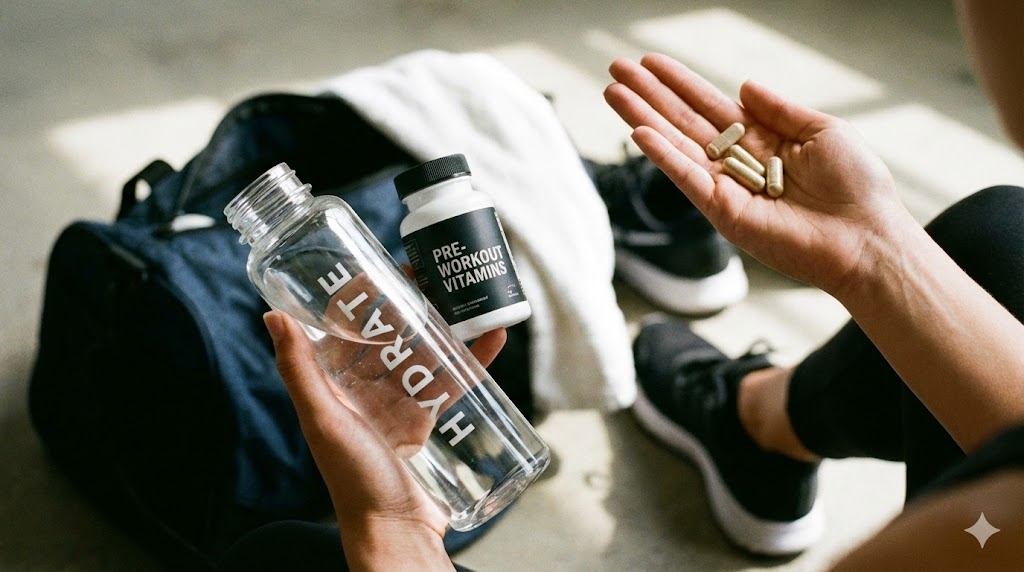
- ** The Golden Time:** If your goal is fat loss, the best time to take it is 30 to 60 minutes before your workout. You want the concentration in your blood to be at its peak right when you start exercising to maximize fat transport.
- Pro Tip for Absorption: L-Carnitine doesn’t absorb well on its own. Research indicates it gets into muscles better when insulin levels are slightly elevated. Therefore, taking it with a small carb-containing snack (like a banana) or a meal can significantly boost its effectiveness.
3. Side Effects & Precautions: Is It Safe for Everyone?
Even natural supplements can have downsides if they don’t agree with your body. L-Carnitine is generally safe, but there are a few things to watch out for.
The most common side effects are mild digestive issues like nausea, stomach cramps, or diarrhea. Also, a rare but known side effect is a “fishy body odor.” This is caused by a byproduct called trimethylamine, but usually, lowering the dose resolves this issue.
⚠️ Who Should Be Careful: There are reports of interactions with thyroid hormones. If you have hypothyroidism or are on thyroid medication, please consult your doctor before adding this to your routine.
4. How to Choose the Right Product
Walking down the supplement aisle can be overwhelming. Don’t get ripped off—just check these two things:
- Choose the Form Based on Your Goal:
- For Fat Loss/Exercise: Look for ‘L-Carnitine L-Tartrate’. It has a faster absorption rate suitable for physical performance.
- For Brain/Focus: Look for ‘Acetyl-L-Carnitine’.
- Purity Check: Liquid forms are often touted for fast absorption, but check the label for added sugars. You don’t want to drink a sugar bomb while trying to lose weight.
Epilogue: There Is No Magic Pill
Let’s be real for a second. There is no pill on this planet that will melt fat while you sit on the couch. L-Carnitine is just the shuttle bus; your physical activity is what drives the bus.
However, if you are ready to put in the work, L-Carnitine can be a powerful partner that ensures your hard work pays off. Why not pack a little extra “fuel efficiency” in your gym bag today?
FAQ: Frequently Asked Questions
Q1. Will I lose weight if I take it without exercising? A. It is unlikely. L-Carnitine transports fat to be burned, but if there is no energy demand (exercise), that fat may just be stored again.
Q2. Does L-Carnitine cause insomnia? A. Since it increases cellular energy production, some people may feel too energized if taken late at night. It is best to take it in the morning or early afternoon.
Q3. I heard it causes hair loss. Is that true? A. There is no scientific evidence supporting this claim. In fact, some studies suggest it may actually help energy delivery to hair follicles. You generally don’t need to worry about this.
[References]
- NIH Office of Dietary Supplements: Carnitine – Health Professional Fact Sheet 🔗 Link
- Mayo Clinic: L-carnitine Information 🔗 Link
[Disclaimer] The content provided in this article is for informational purposes only and does not constitute medical advice, diagnosis, or treatment. Always seek the advice of your physician or other qualified health provider with any questions you may have regarding a medical condition or before starting any new supplement regimen.